
Limping Through Religious & Archeological Sites
Vietnam/Cambodia - December 2025
I enjoy visiting religious sites. Aside from spiritual meaning, they offer some of the best examples of architecture and culture from different periods. You know you’re in Asia when you see those iconic pagodas with stacked tiers and curved eaves. That said, standard tours include a LOT of temples and churches. Vietnam was no exception.
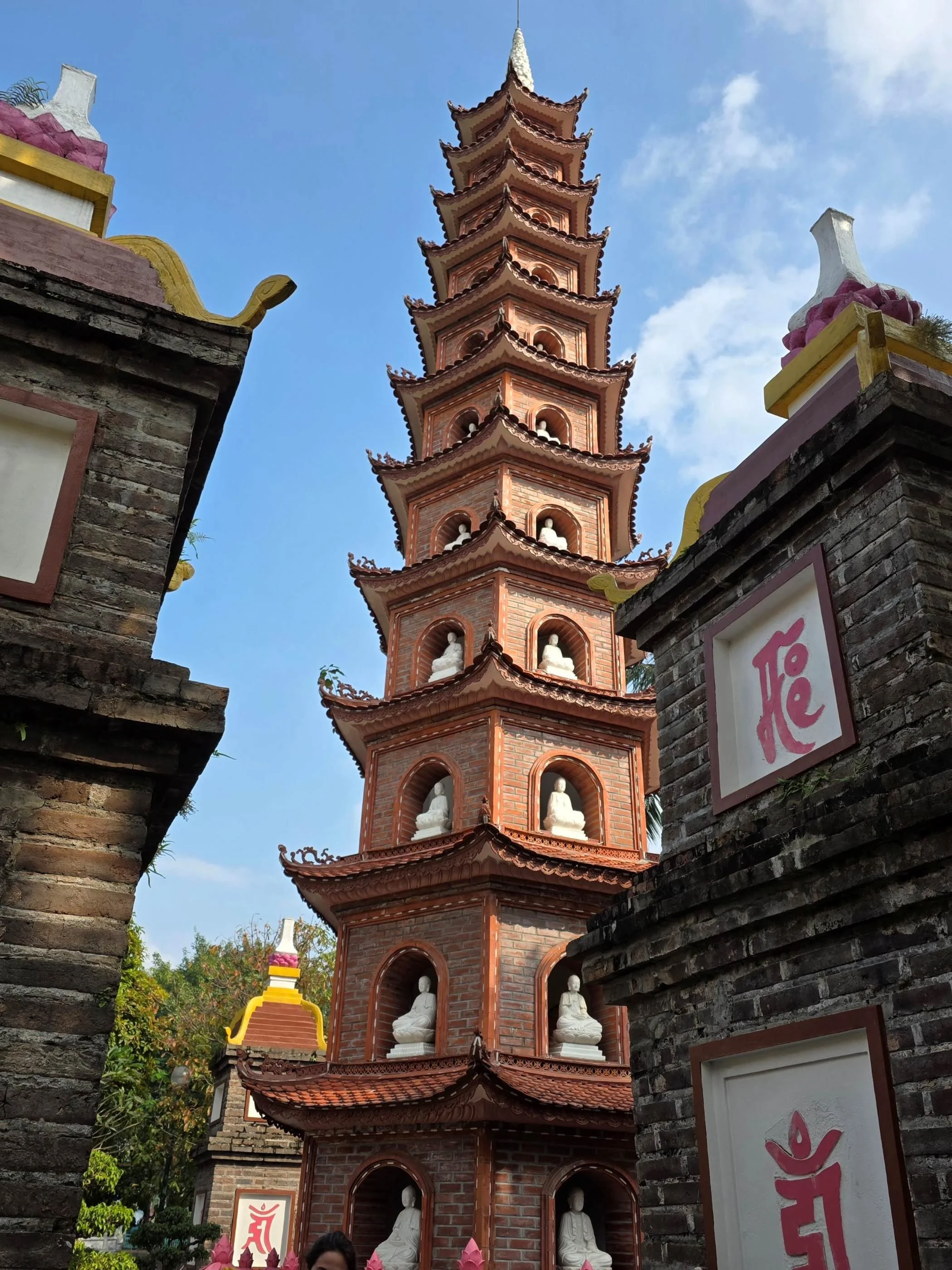
Tran Quoc Pagoda, the oldest Buddhist temple in Hanoi, Vietnam. Located on Fish Island in West Lake.
Unfortunately, I started this trip with some kind of hip injury. Managing my related knee and hip pain was a daily part of my tours. I started to see what travel would be like if you were impaired or simply, well, old.
On the best of days, touring a large religious structure can be tiring. Guides dump a lot of information on you and there are a lot of images to take in. These sites are usually pretty busy with tourists and, if you’re not careful, the experience can turn into “checking the box” on an itinerary.
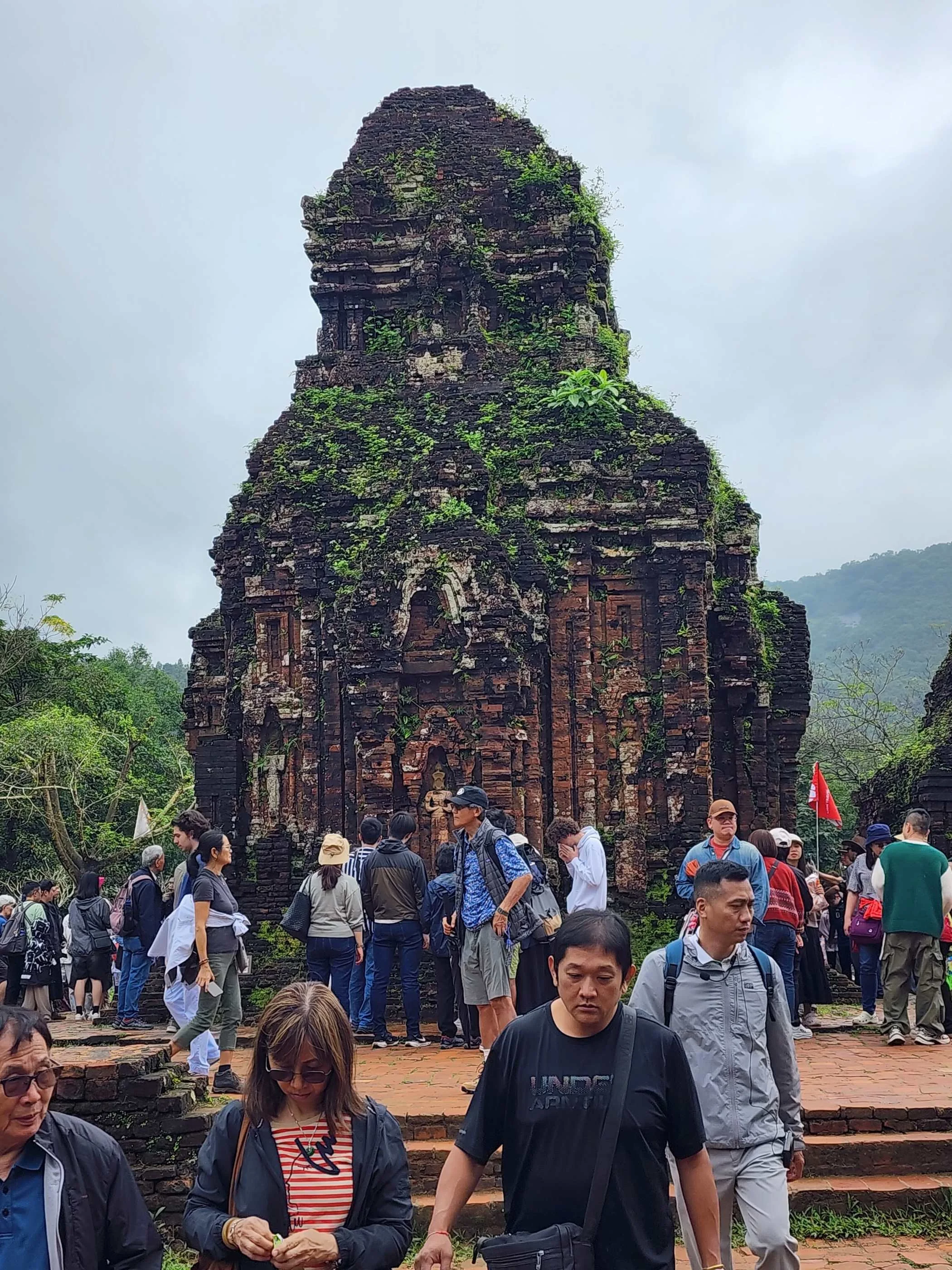
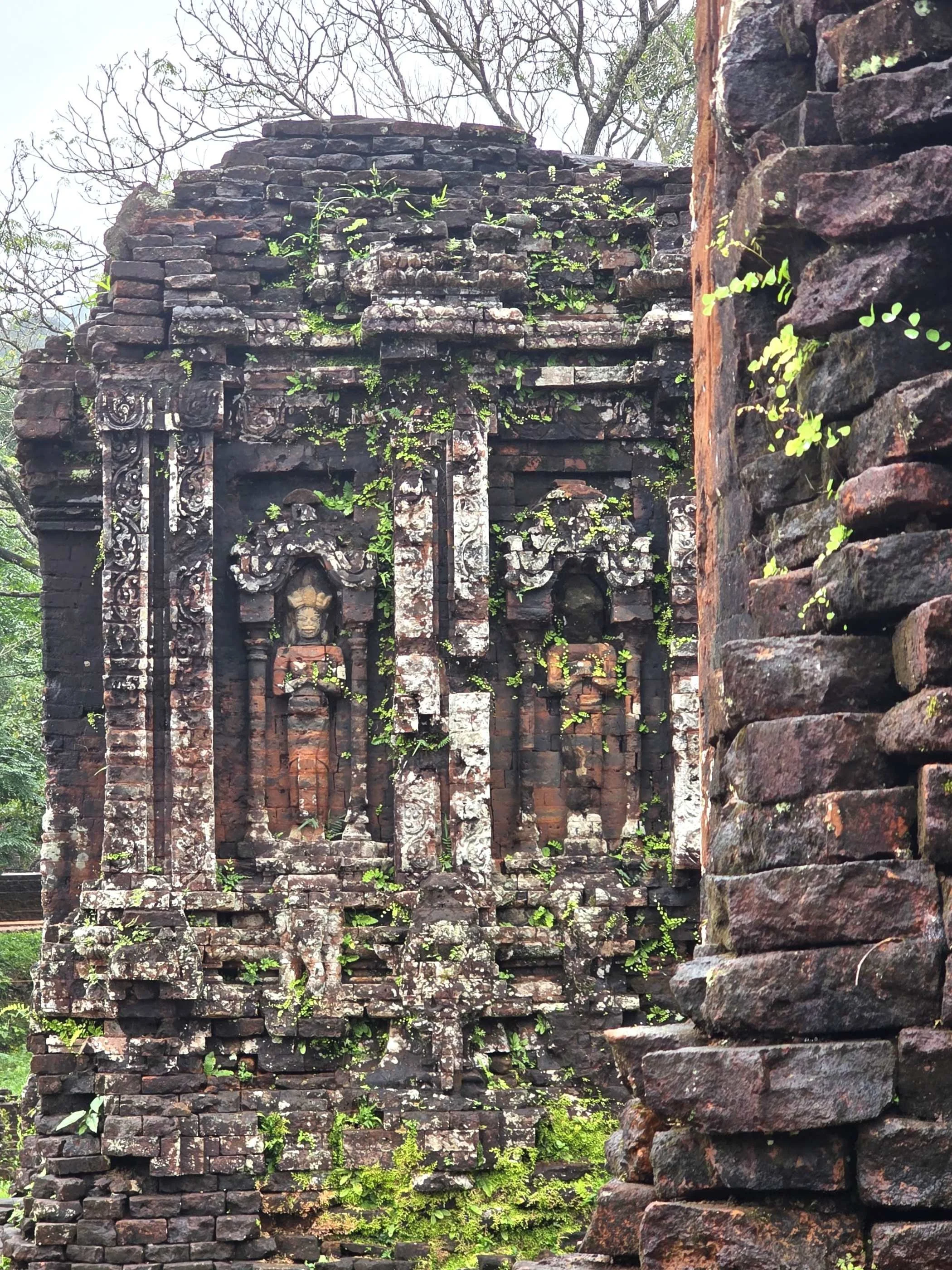
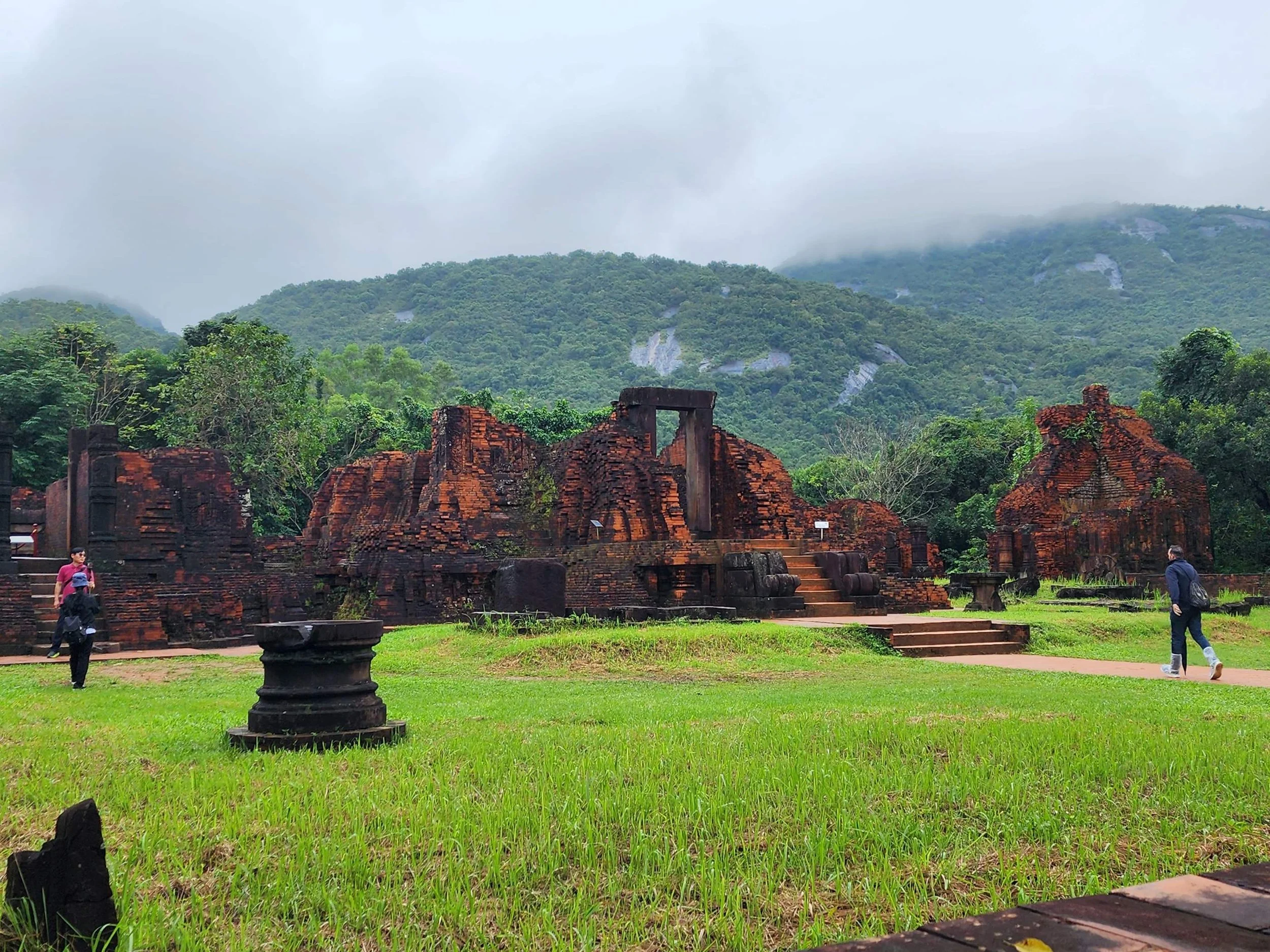
My Son Sanctuary, a UNESCO World Heritage site southwest of Hoi An, Vietnam. Built between the 4th and 13th centuries.
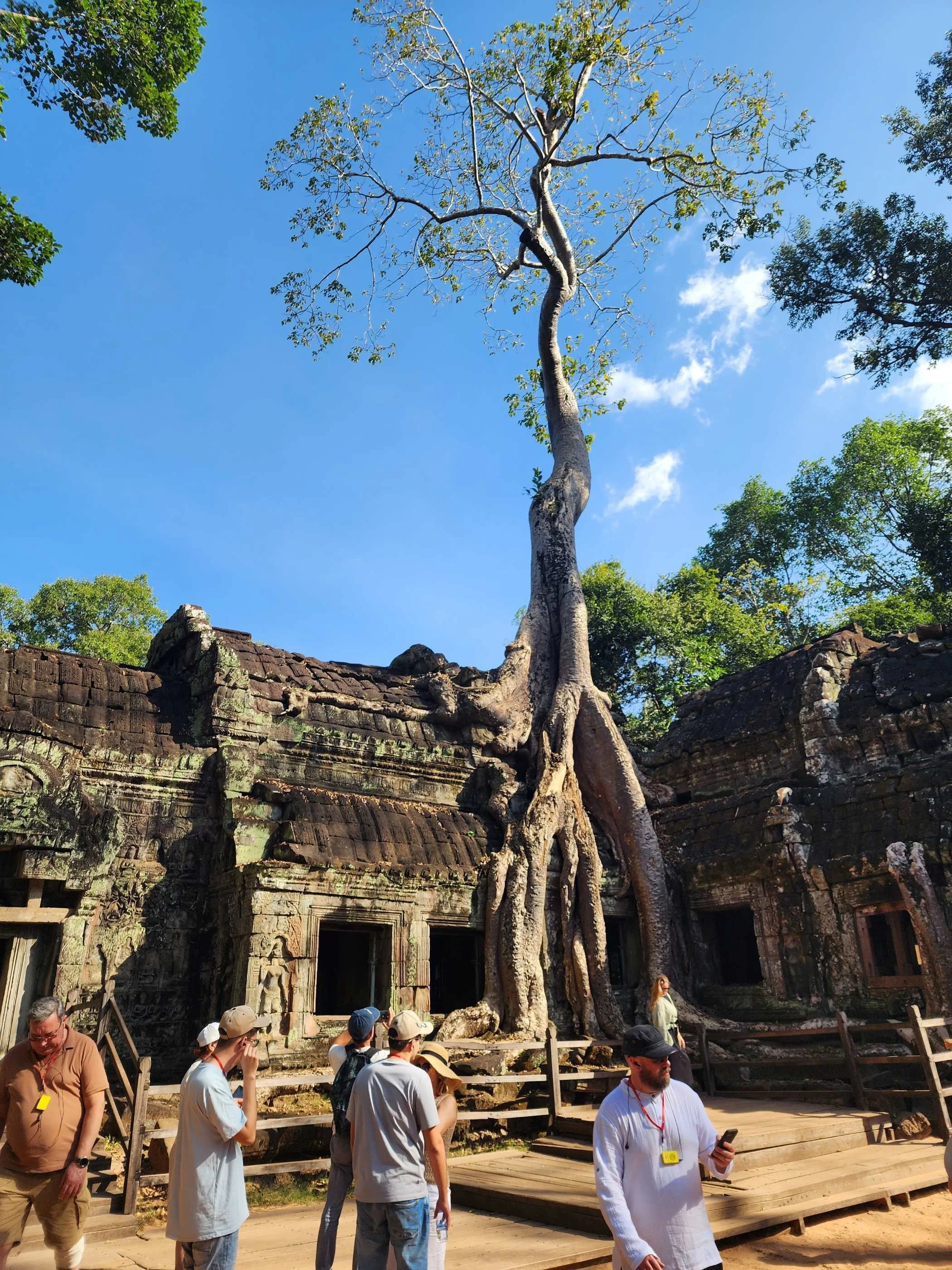
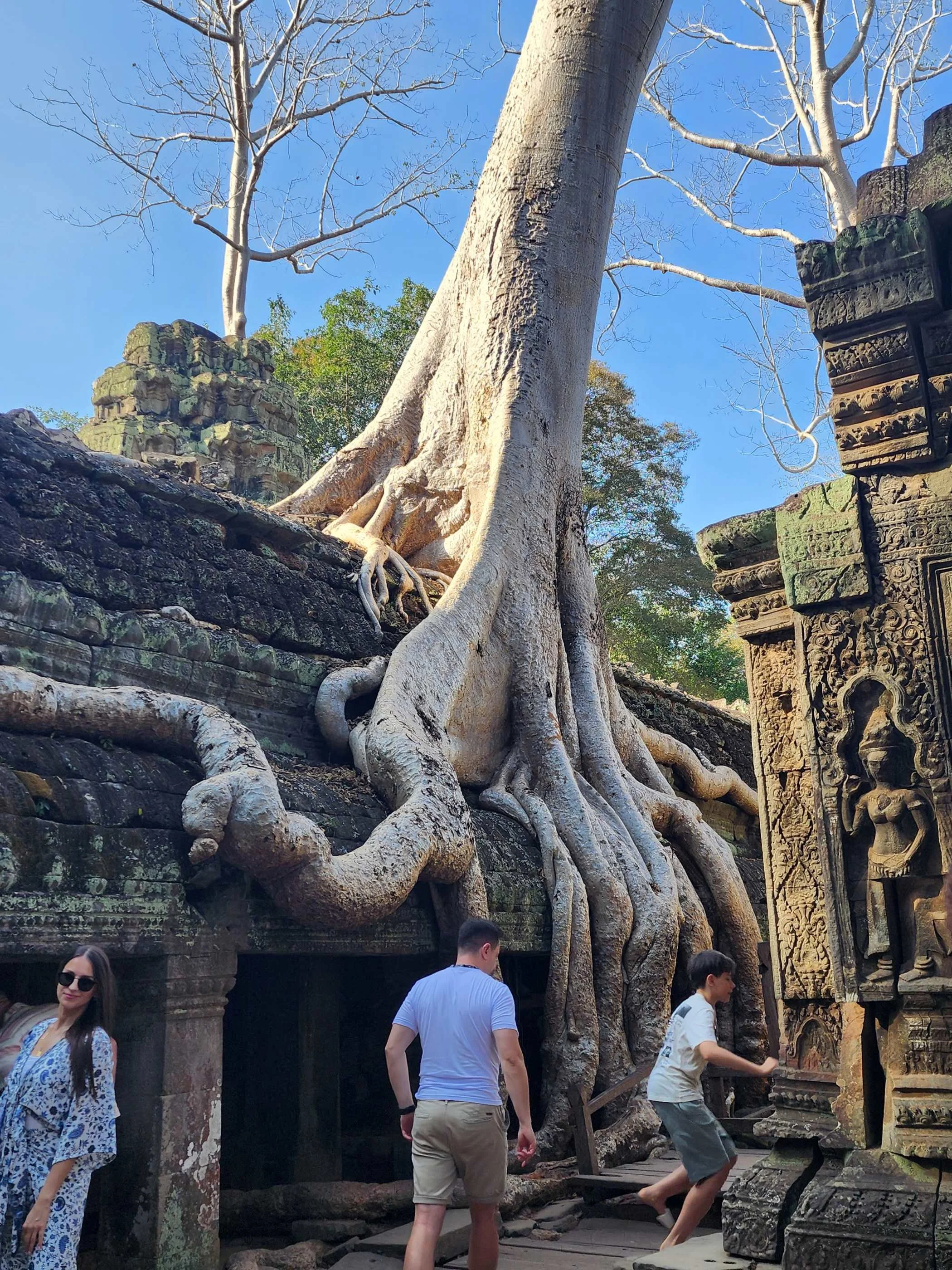
With my injury, I had to ration my energy. I was usually good for half a day, climbing up and down stone steps and covering acres of historic sites. Then I would find a bench to wait while the group went on. Of all the hours we spent visiting pagodas, perhaps the most memorable were the points where I could sit, really take in the view, listen to the birds and the wind in the trees, and watch the huge variety of people walking by. On the other hand, as pleasant as that was, it was disappointing to miss the top floor of Angkor Wat or the deeper courtyards of Ta Prohm.
The reality of travel is that not every site is easy and accessible. I assume I’ll get back to normal hiking – I’m hitting physical therapy as hard as I can. If I can’t, I’m glad I traveled as much as I did in the past 20 years, and I’ll work on managing expectations and itineraries in the future.
____________________
More Information
What to Wear: Modest clothing is required at religious sites. This means that both men and women are expected to cover shoulders and knees, and avoid anything too revealing. Shoes must be removed before entering main halls, and hats should be taken off indoors. Keep your phone on silent and speak quietly. If you arrive during ceremonies, step to the side and observe respectfully.
Temples vs Pagodas: Vietnam draws a distinction between “temple” and “pagoda.” Basically, a pagoda is a place of worship for Buddhists and a temple is built to honor or worship a person from the country’s history. This page provides a good explanation.
Sites We Visited:
The Tran Quoc Pagoda on Fish Island in West Lake is the oldest in Hanoi, built in the sixth century.
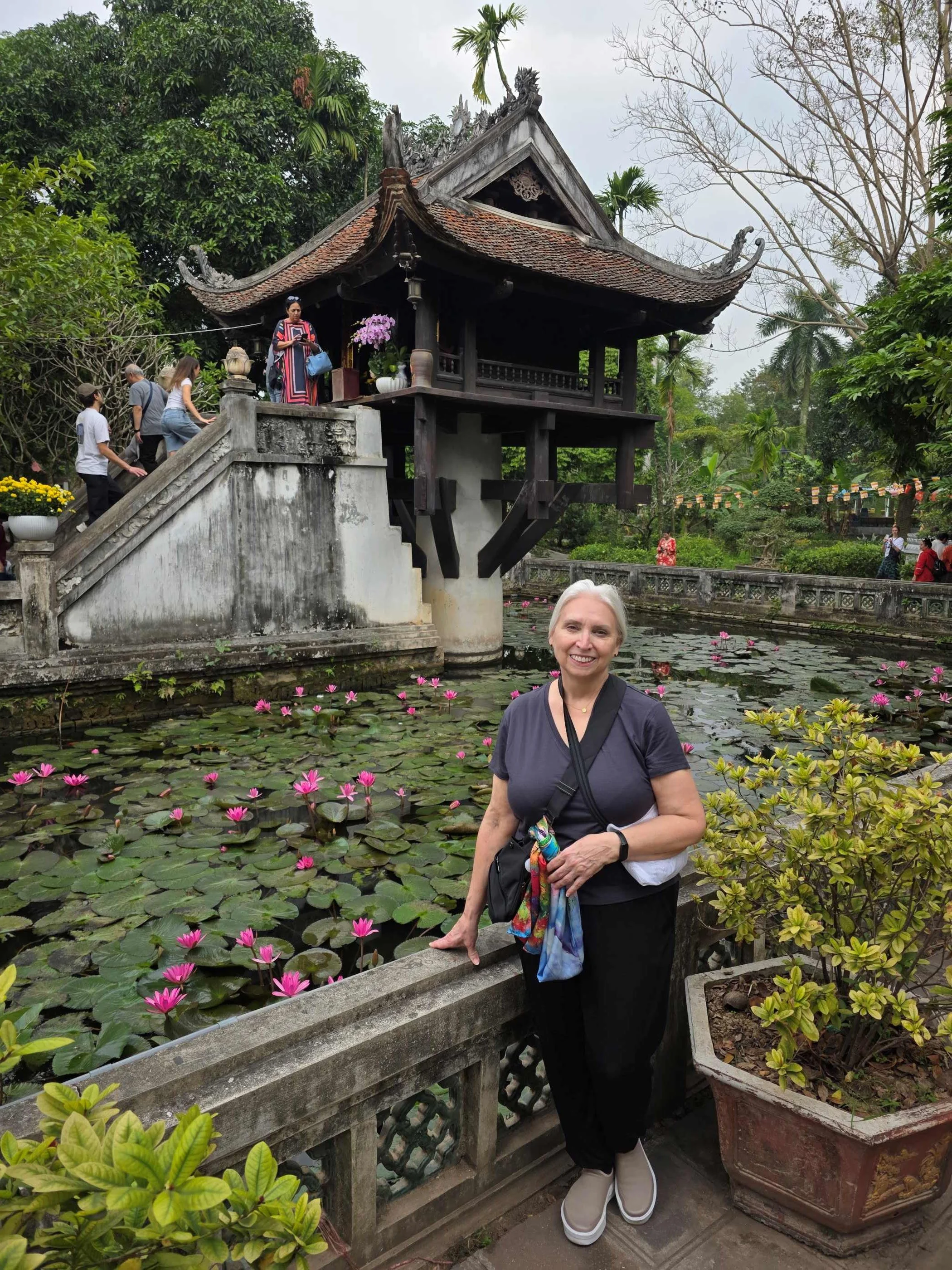
The One Pillar Pagoda, which worships the Goddess of Mercy, is at the edge of the Ho Chi Minh complex. From Wikipedia, “the temple is built of wood on a single stone pillar 1.25 meters in diameter and 4 meters in height, and it is designed to resemble a lotus blossom, which is a Buddhist symbol of purity, since a lotus blossoms in a muddy pond.” Our itinerary said it is considered to be “the most unique pagoda in the world.”
My Son Sanctuary is a UNESCO World Heritage site in central Vietnam, 31 miles southwest of Hoi An. It was once a capital and religious center of the Cham people and is considered to be one of southeast Asia’s greatest archaeological sites. The towers and sanctuaries were built between the 4th and 13th centuries.
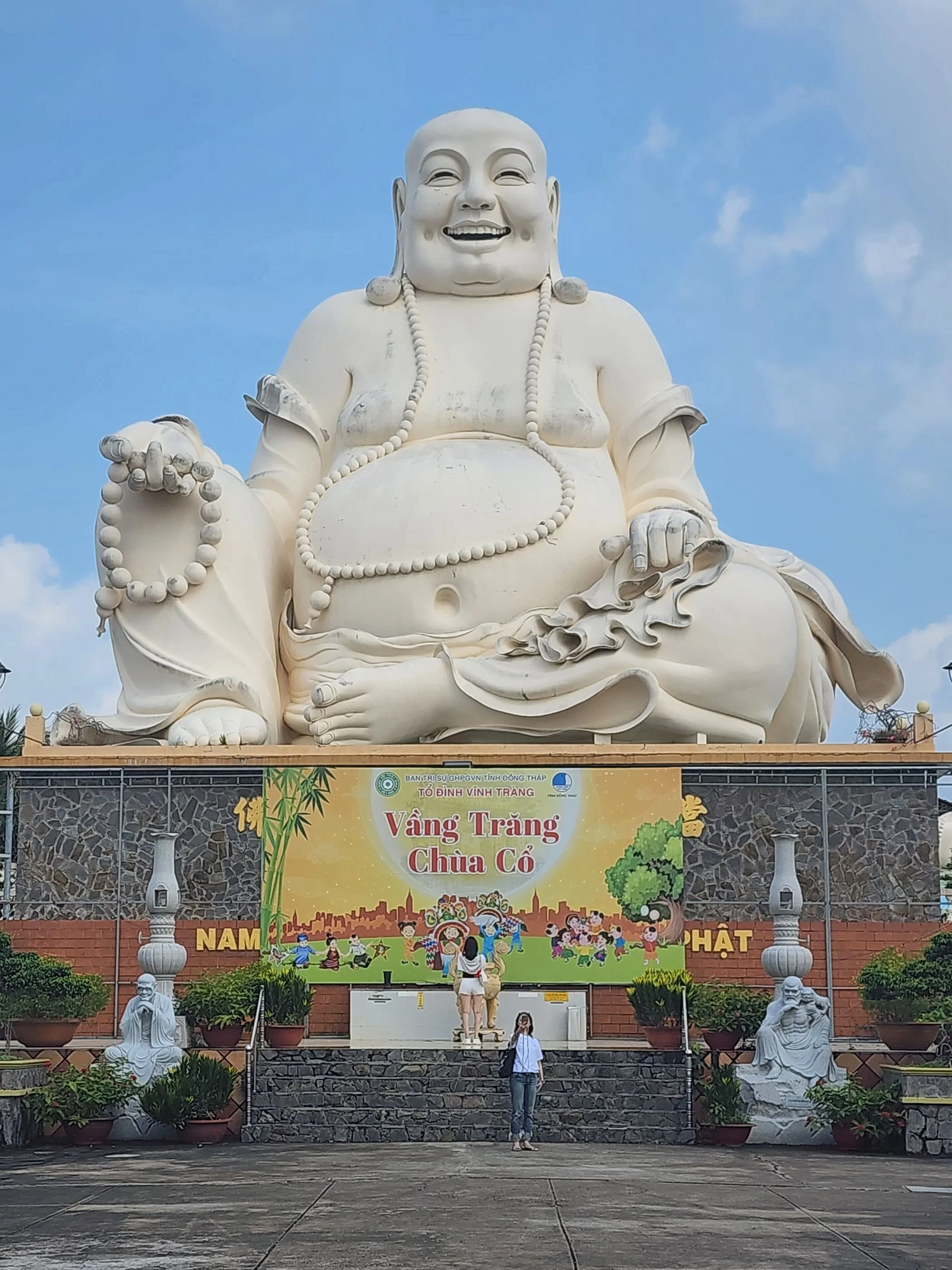
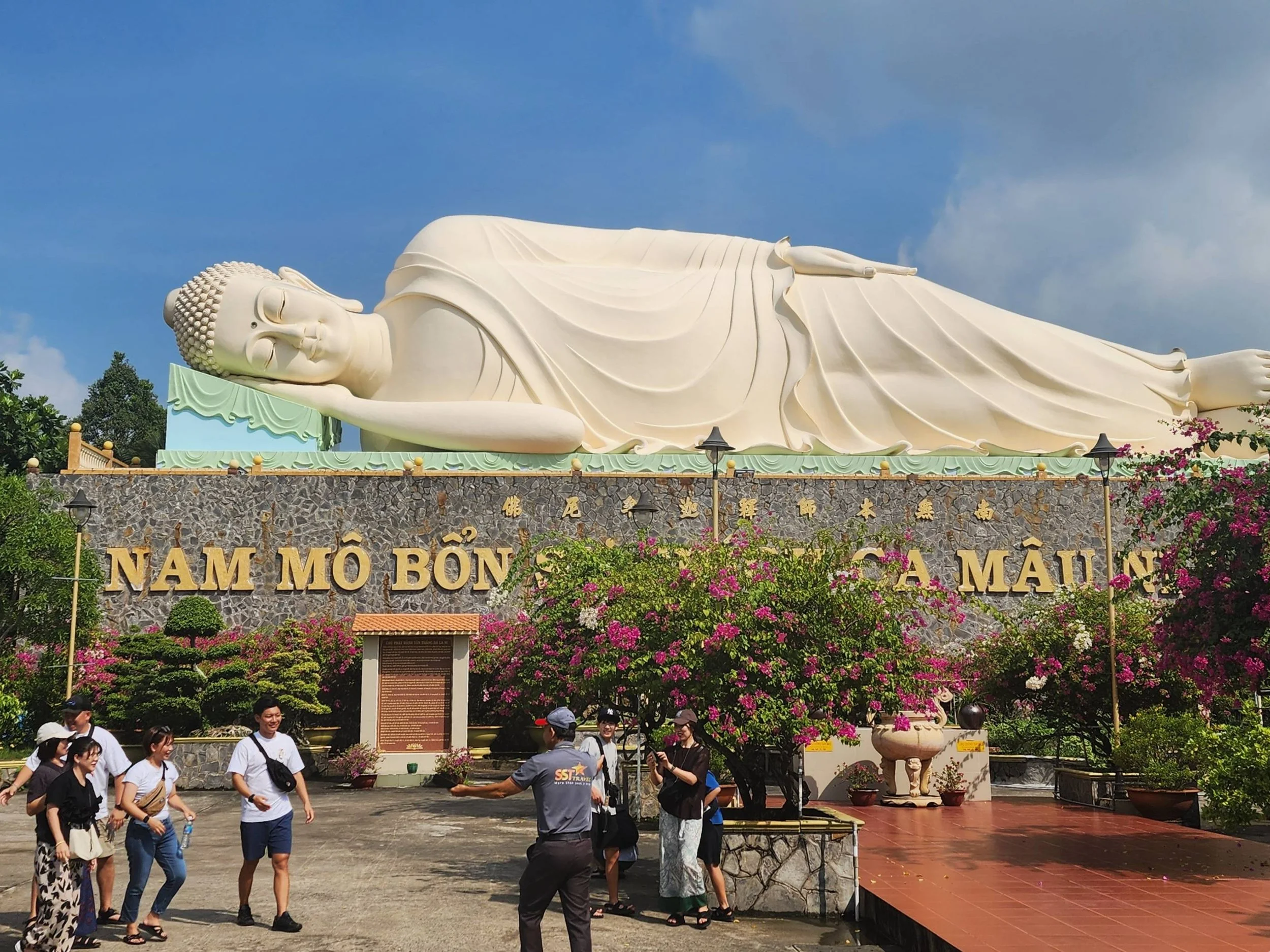
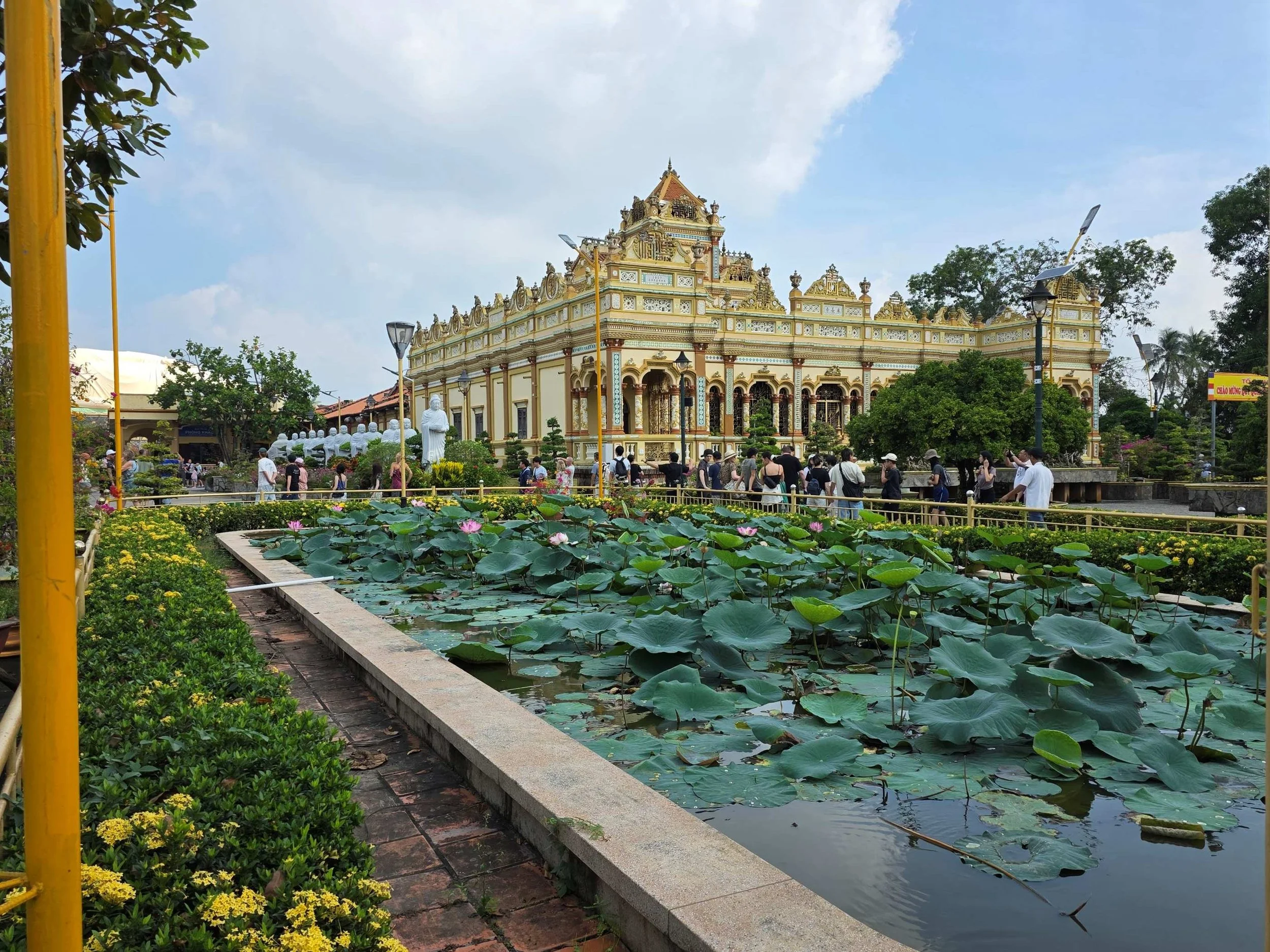
Vinh Trang, is a Buddhist pagoda, the oldest in the Mekong Delta region. I thought it was most interesting for the “past, present, and future” Buddhas, and for the unusual female Buddha.
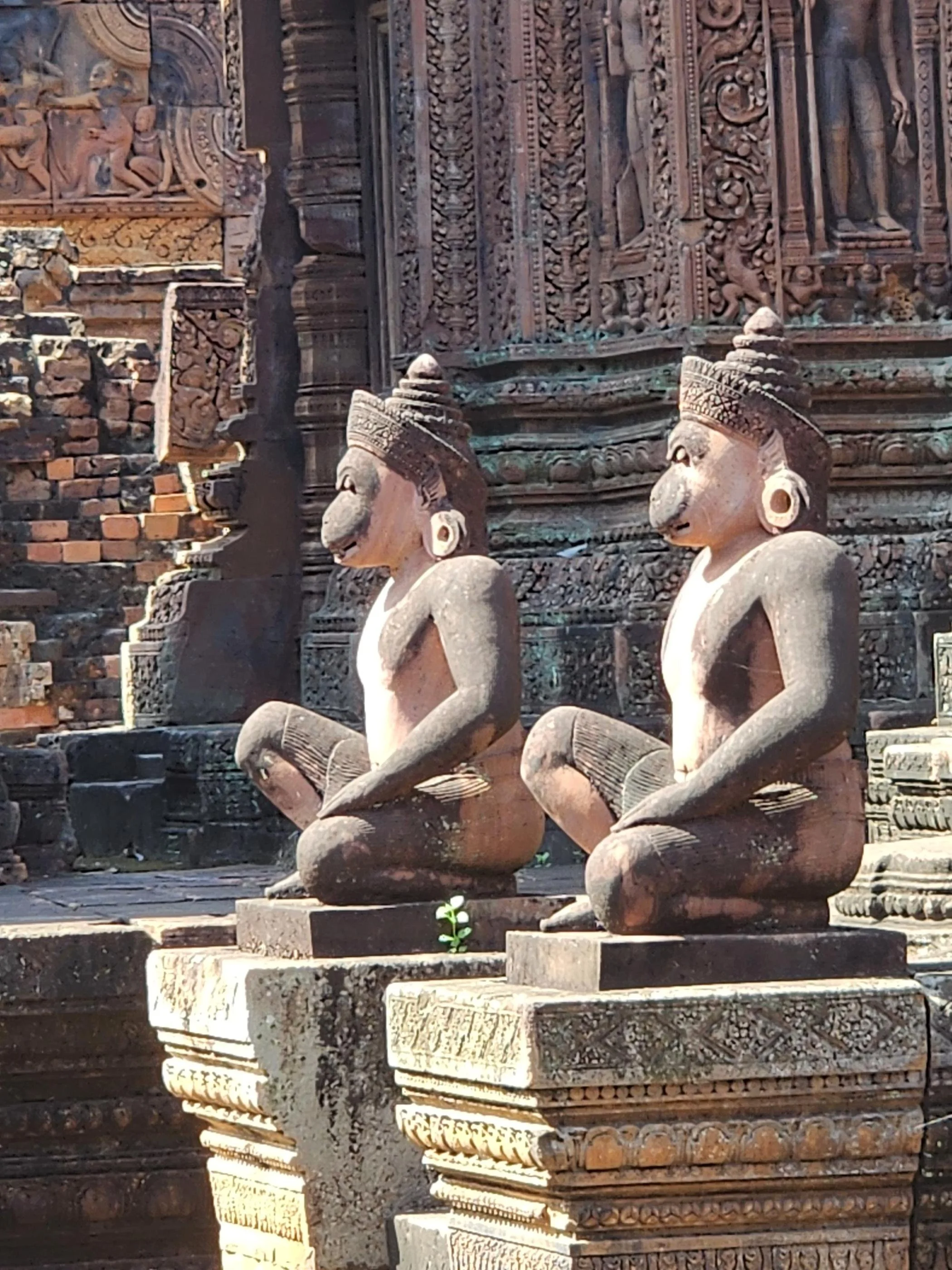
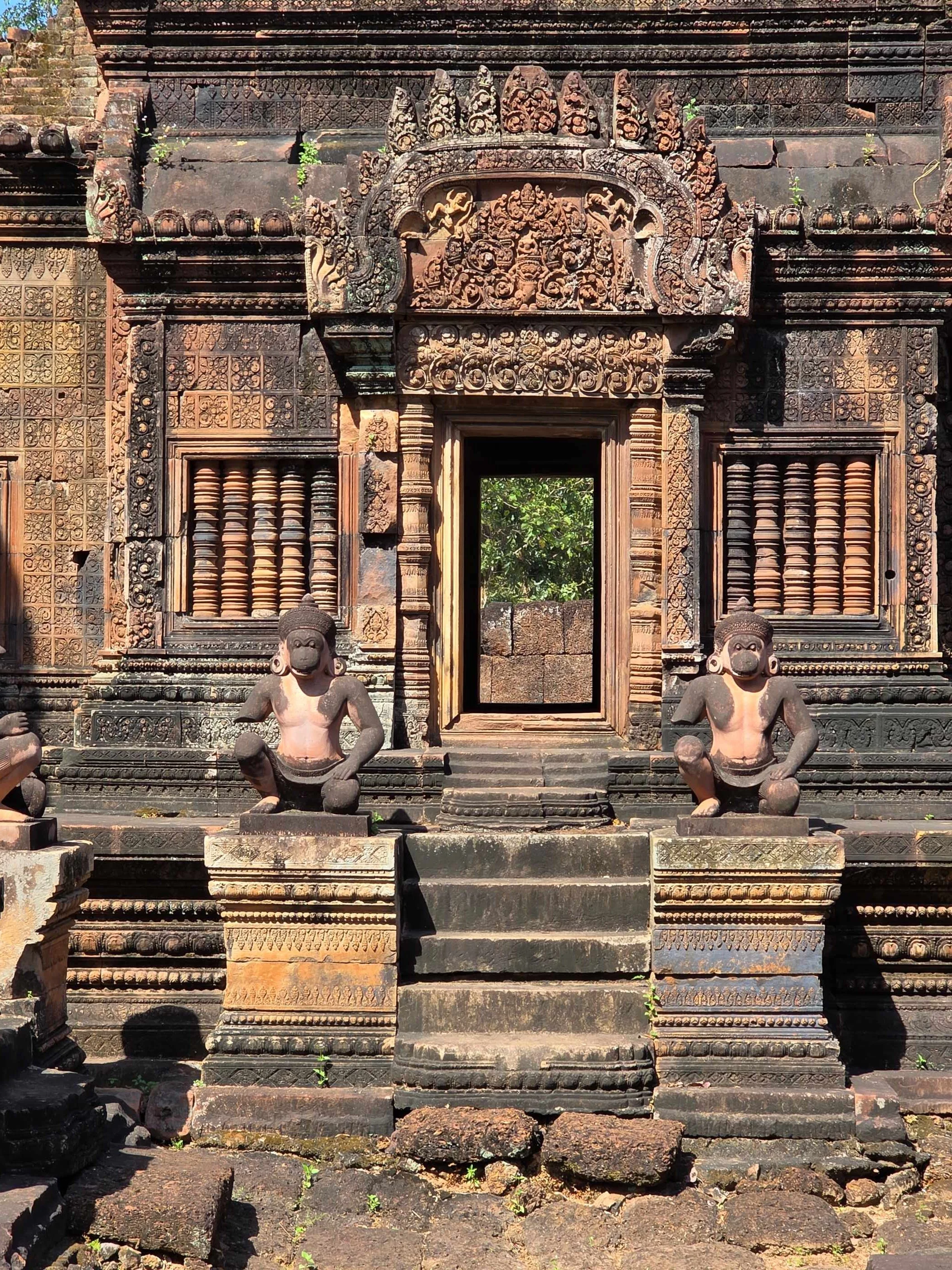
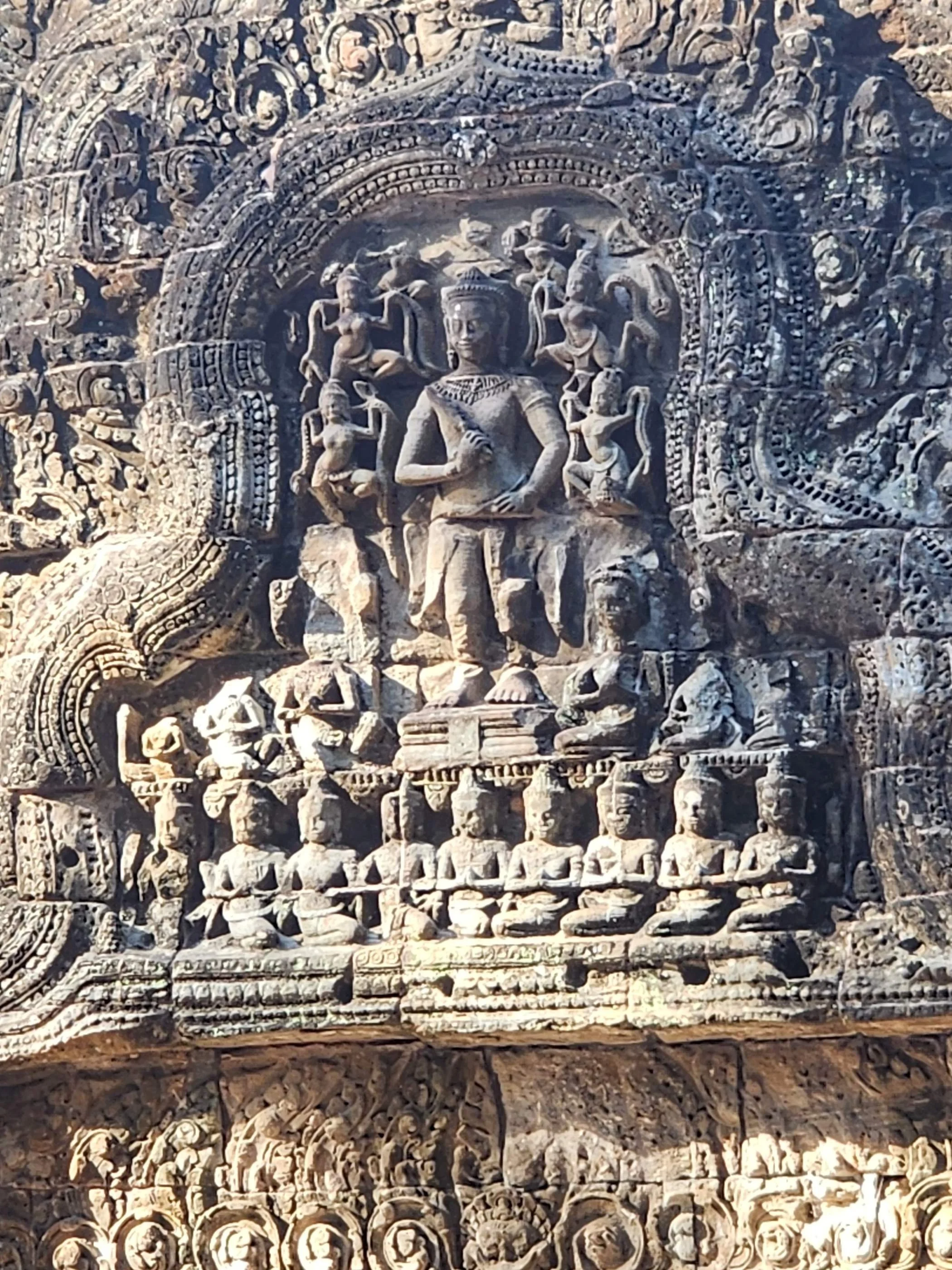
Angkor Complex in Cambodia includes Angkor Wat, a 12th-century Hindu/Buddhist complex highlighting Khmer architectural and cultural achievement. Angkor Wat is a UNESCO World Heritage site. Besides the famous Angkor Wat, we visited Ta Prohm, Angkor Thom, Ta Keo, Thommanon, and Chau Say Tevoda.